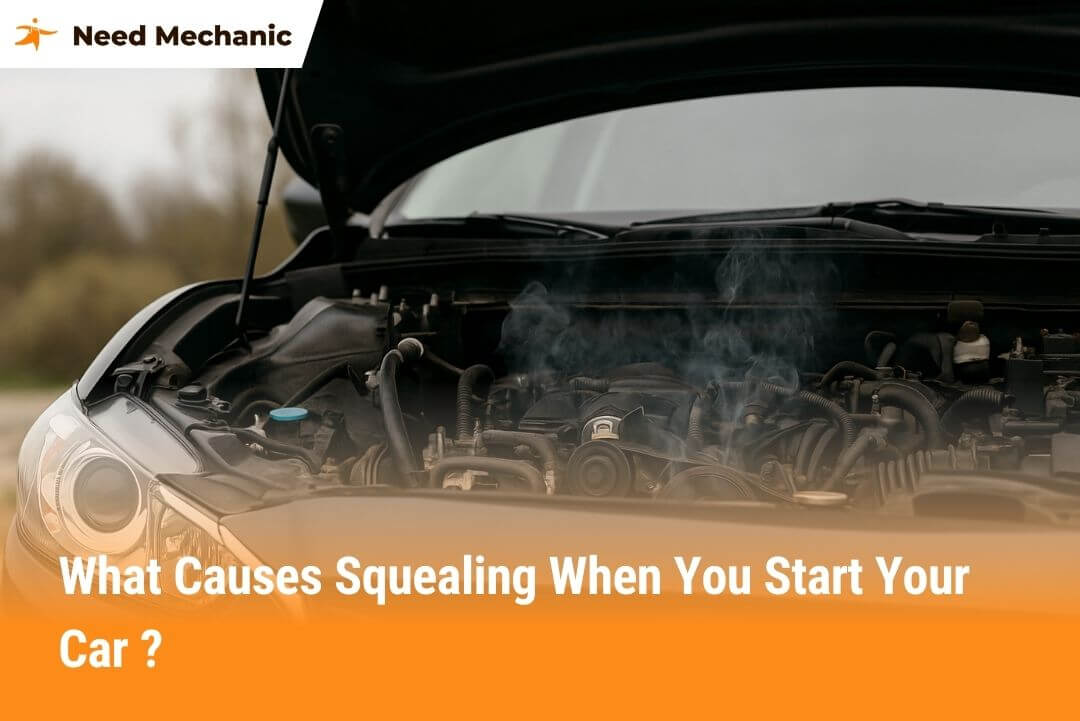
Why Does My Car Squeal When I Start It?
When you hear squealing right as the engine turns over, it usually comes from a rotating part driven by the engine. Modern cars rely on belts, pulleys, and accessories like the alternator and air conditioning compressor. If one of these parts slips, wears out, or seizes, the result is often that sharp squealing sound.
The good news is that in many cases, the cause is not catastrophic. The squeal often points to something like a worn serpentine belt, a loose pulley, or moisture buildup. Still, because multiple parts could be responsible, it’s important to look closer and not ignore the sound.
1. Worn or Loose Serpentine Belt
One of the most common causes of squealing during startup is a worn or loose serpentine belt.
The serpentine belt powers several key components:
- Alternator
- Power steering pump
- Air conditioning compressor
- Water pump
When this belt gets old, cracked, or glazed from friction, it can slip against the pulleys and create a squeal. In cold weather, the problem is often worse because rubber stiffens.

How to tell if it’s the serpentine belt:
- The squeal usually lasts a few seconds after starting.
- You may notice cracks, fraying, or shine on the belt.
- Turning on the AC or power steering may trigger more noise.
End result if ignored: A broken serpentine belt can cause your car to overheat, lose power steering, or stop charging the battery.
Fix: Replacing the belt is usually inexpensive and straightforward, often recommended every 50,000–100,000 miles.
2. Faulty Belt Tensioner or Pulley
If the belt itself looks fine, the problem may be the tensioner or pulleys that guide and hold the belt in place.
- A worn tensioner may not keep the belt tight enough, causing slippage and squealing.
- A seized pulley bearing can create a high-pitched squeal or grinding noise.
Signs it’s a tensioner or pulley issue:
- The squeal is persistent, not just at startup.
- The noise gets louder when revving the engine.
- A chirping or grinding sound accompanies the squeal.
End result if ignored: A seized pulley can cause belt failure or even engine damage.
Fix: Mechanics usually replace the faulty pulley or tensioner to restore proper function.
3. Cold or Damp Conditions
Sometimes, a squealing noise is not about wear and tear but about weather conditions.
- In cold temperatures, belts stiffen and lose flexibility.
- In damp or rainy weather, moisture causes temporary slipping.
This type of squeal usually goes away quickly as the engine warms and the belt dries.
What drivers should know:
- A quick squeal that disappears may not signal a major issue.
- However, frequent noise in these conditions suggests the belt is aging or improperly tensioned.
Fix: Regular inspection and timely replacement prevent small issues from becoming bigger problems.
4. Worn Alternator or Failing Bearings
Another culprit behind squealing on startup is a failing alternator. The alternator provides power to your car’s electrical system and keeps the battery charged.
If the internal bearings are worn or failing, you might hear squealing when the car starts or when electrical demand is high (like headlights and AC running).
Symptoms of alternator issues:
- Squealing plus flickering dashboard lights.
- Electrical problems such as dim headlights.
- Battery warning light turning on.
End result if ignored: A failing alternator can leave you stranded with a dead battery.
Fix: Alternator replacement is usually the solution.
5. Air Conditioning Compressor Problems
The AC compressor engages when you start the car, and if its bearings or clutch are failing, it may squeal loudly.
Clues it’s the AC compressor:
- Noise is worse when AC is on.
- The squeal may continue beyond startup.
- Cabin cooling performance might be reduced.
Fix: Depending on severity, mechanics may replace the clutch or the entire compressor.
6. Power Steering Pump Strain
When you start your car and immediately turn the steering wheel, the power steering pump puts extra load on the belt system. If the pump is failing or fluid levels are low, squealing is a common symptom.
Other warning signs:
- Stiff or jerky steering.
- Whining noise during turns.
- Low power steering fluid.
Fix: Topping off or flushing fluid may help, but pump replacement is often needed if the noise persists.
7. Starter Motor or Flywheel Issues
Less commonly, the squeal comes not from belts but from the starter motor or flywheel.
If the starter’s gear doesn’t disengage smoothly after ignition, it can produce squealing or grinding sounds. This issue is more mechanical and may worsen over time.
Fix: Starter inspection and replacement if necessary.
8. Contaminated Belts (Oil or Coolant Leaks)
Leaks under the hood can drip onto belts, causing slipping and squealing. Common sources include:
- Valve cover gasket leaks (oil).
- Coolant leaks from hoses or water pumps.
What drivers should know:
- Oil-soaked belts wear quickly.
- The squeal may come and go depending on leak severity.
Fix: Repair the leak first, then replace the belt.
How to Diagnose a Squealing Noise Yourself
While a mechanic can confirm the exact cause, you can narrow down possibilities with some simple checks:
- Look at the belt: Check for cracks, shine, or fraying.
- Listen carefully: Notice if squealing happens only at startup, when turning, or with AC on.
- Check fluid levels: Low power steering fluid can trigger squeals.
- Observe patterns: Does it happen more in cold or rainy weather?
When to See a Mechanic
A short squeal on a cold morning may not be urgent, but persistent or worsening noises should never be ignored. If the squealing lasts more than a few seconds, or is accompanied by warning lights, stiff steering, or electrical issues, schedule an inspection.
Early repairs save money, prevent breakdowns, and keep you safe on the road.
Preventing Squealing Noises at Startup
Prevention is always better than repair. Here’s how to reduce the chance of squealing:
- Replace serpentine belts every 50,000–100,000 miles.
- Inspect pulleys and tensioners during routine maintenance.
- Keep fluids topped up and check for leaks.
- Warm up your car gently in cold weather.
- Listen to your vehicle – strange noises are often early warnings.
Final Thoughts
Hearing a squealing noise when starting your car is more than just annoying, it’s your vehicle’s way of asking for attention. The most common causes include a worn serpentine belt, faulty pulleys, cold weather, or accessory problems like the alternator or AC compressor. While some issues are minor, ignoring them can lead to bigger and more expensive repairs.
By paying attention to when and how the noise happens, you can often narrow down the cause and take action before it worsens. Regular maintenance, timely inspections, and quick responses to unusual sounds will keep your car running smoothly and quietly.








Leave a Reply